Unhoused Couple on 30th Avenue Raises Concerns and Call for Action
 OANA Admin
 UPDATE (4/16): Two of the 3 people living on 30th Avenue have been taken to the hospital. Read here.
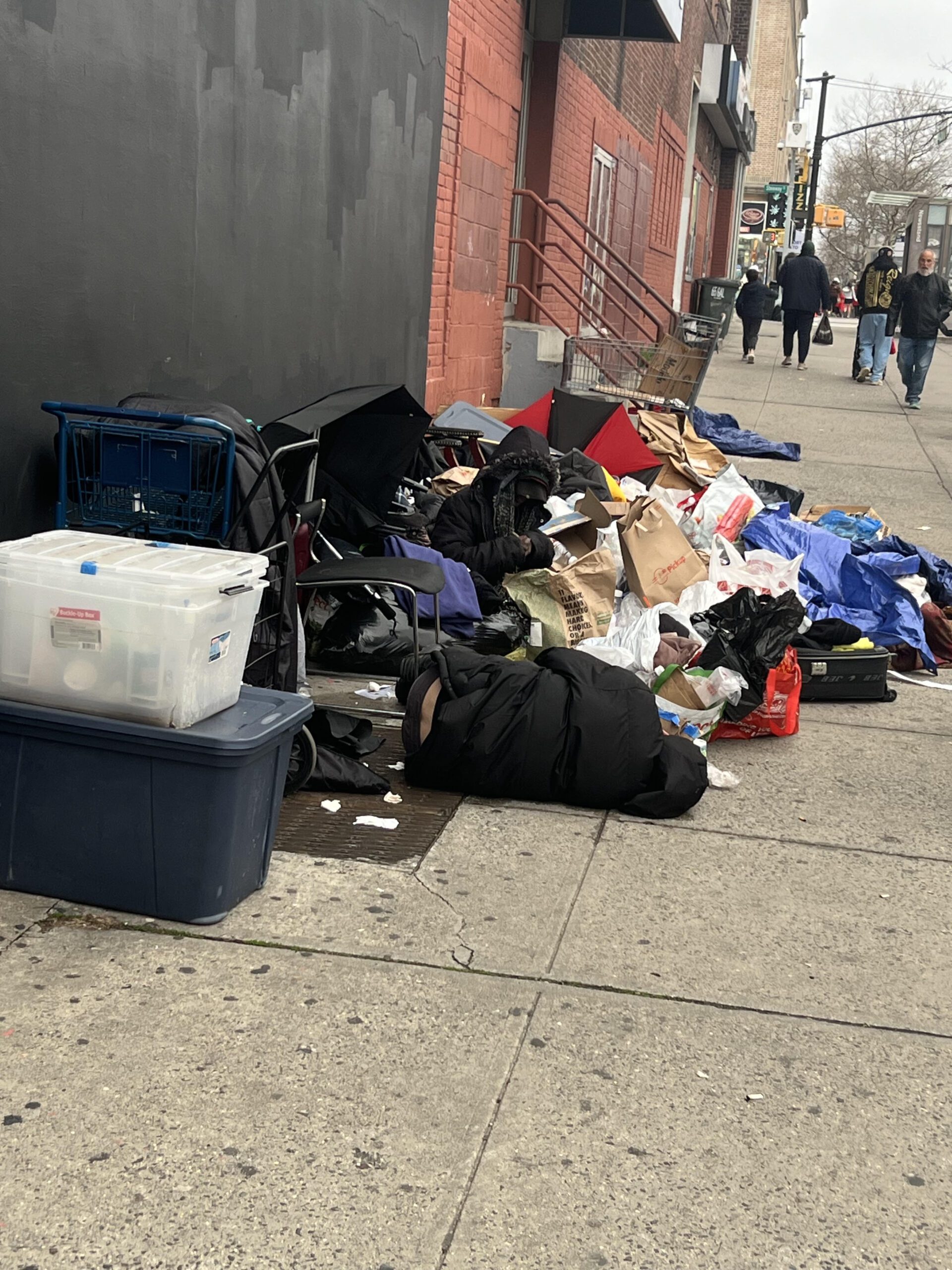
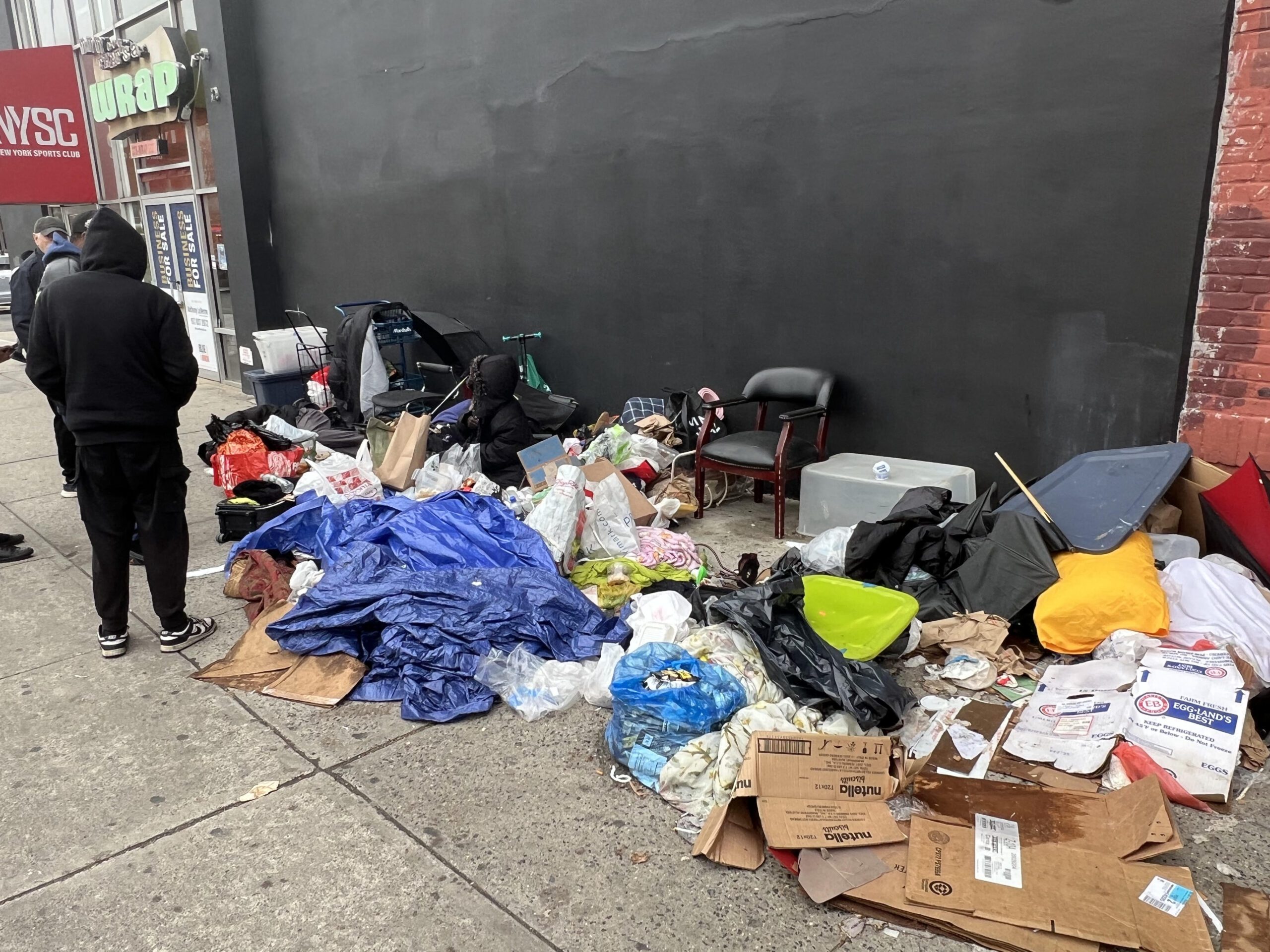
Several people experiencing houselessness on a busy commercial stretch in Astoria has sparked concern among residents, business owners, and local leaders, highlighting the ongoing tension between public safety, quality of life, and the need for compassionate, effective outreach to unhoused individuals.
This site in question is located near the corner of 30th Avenue and Steinway Street and includes some unhoused individuals living on the sidewalk. Some have reported open drinking and other questionable activities occurring publicly, raising discomfort among friends, neighbors and local businesses. At the same time, the visible conditions show us a deeper issue: the vulnerability and instability faced by those living without shelter.
A Call for Coordinated City Response
Community leaders are increasingly emphasizing that the solution cannot be piecemeal. Our own Richard Khuzami, president of OANA, framed the issue as one requiring a unified, multi-agency response rather than isolated interventions:
“The city should be responding in a coordinated way — with outreach offering shelter and services, sanitation addressing the conditions on the block, and agencies and elected officials working together to make sure the sidewalk remains safe and usable.”
Richard’s statement captures a broader sentiment: that enforcement alone is insufficient, and that meaningful progress depends on consistent outreach, trust-building, and follow-through from city agencies.
Efforts are already underway. Tiffany Cabán, who represents the district, has indicated that her office is working alongside the Department of Social Services, Department of Homeless Services, and local organizations to connect the individuals with support and shelter options.
However, as many outreach workers will attest, acceptance of services is not immediate. Building trust can take time, particularly for individuals who may have had negative experiences with institutional systems in the past.
Community members are also being encouraged to use 311 to report conditions, which can help trigger additional outreach and city attention. While this approach can increase responsiveness, it also raises an important question: how to balance reporting concerns with ensuring humane treatment for those at the center of the issue.
The situation on 30th Avenue is not unique, but it is a visible example of a citywide challenge. It illustrates the need for solutions that go beyond short-term fixes — solutions that address both the immediate concerns of residents and the long-term needs of unhoused individuals. Specifically, sites like this should be designated as a homeless encampment, which will allow the city’s many tools to help both the residents of this sidewalk area and the community at large to be applied.
Read the article in the Queens Chronicle here.

Recommended Posts
[Op-Ed] Words Matter
September 28, 2026
OANA at 12: A Look Back at Our Op-Eds and Advocacy (Part 2)
September 27, 2026
Homeowners Resource Fair (October 3rd)
September 27, 2026